

Mastering Search Intent Competition in SEO Strategy
Search intent describes the main reason a user searches for something. Aligning web pages with specific search intents is essential to a successful SEO strategy, maximizing search visibility and improving user experience.
What is Search Intent in SEO?
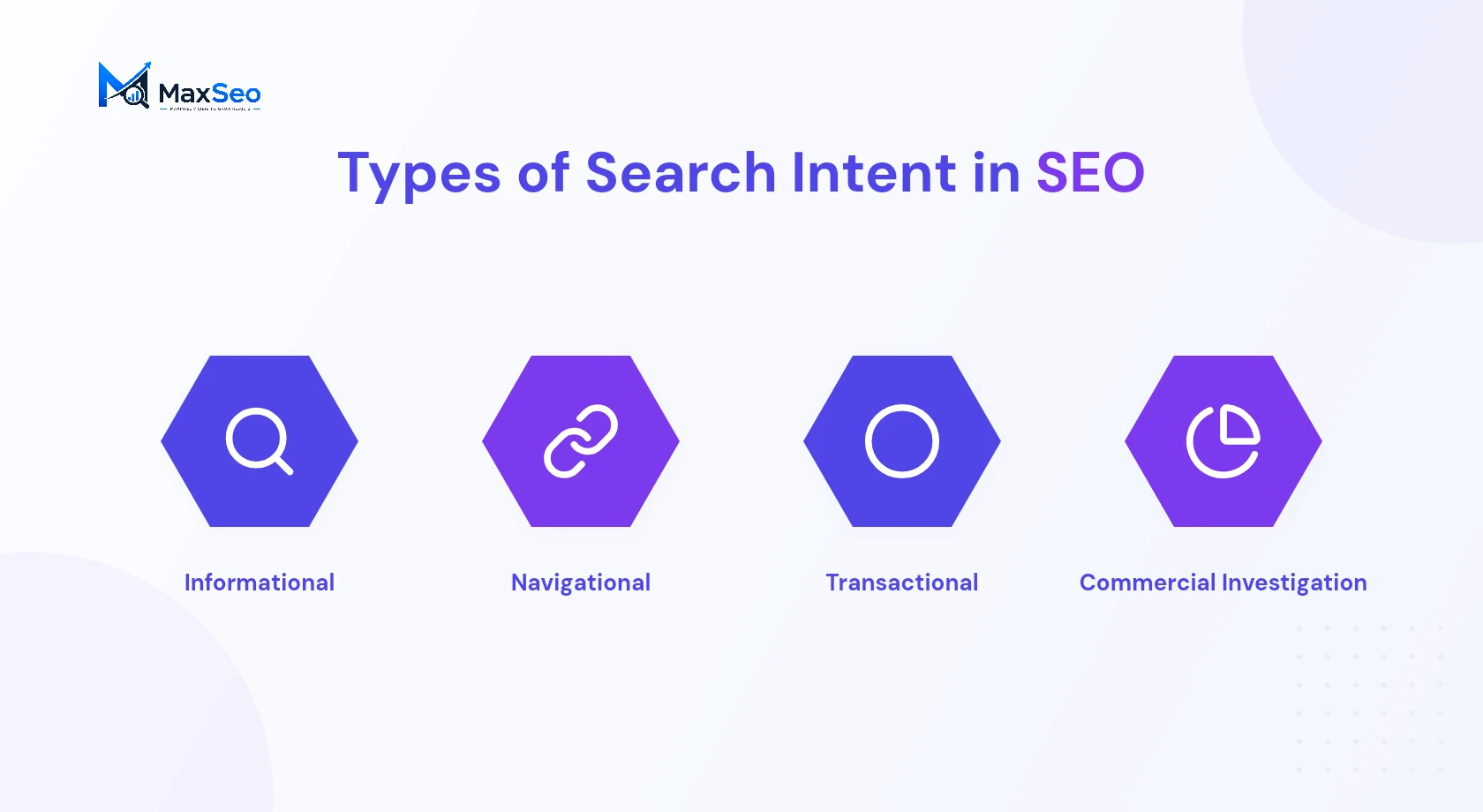
Search intent is the underlying reason users search online, aiming to find specific information or take action. Typically categorized into four types:
1) Informational: Users seek knowledge or answers.
2) Navigational: Attempts to reach a specific site or page.
3) Transactional: Users are ready to act, like making a purchase.
4) Commercial Investigation: Users compare products or seek reviews before making decisions.
How Does AI Enhance Search Intent Understanding?
AI advancements enable search engines to interpret user intent more precisely, considering context and meaning beyond keywords. AI generated summaries incorporate multiple intent types, offering a more comprehensive reading experience and reshaping behavior on the search engine results page (SERP).
What Are the Pitfalls of Keyword Cannibalization?
Keyword cannibalization happens when several pages compete for the same keywords and search intent, causing a site to compete against itself. This confuses search engines and negatively affects rankings and traffic.
Identifying Cannibalization
1) Behavioral Signals: Tools like Google Search Console detect fluctuating query rankings, low CTRs, and split impressions.
2) Specialized Reports: Tools like Semrush and SiteGuru highlight competing URLs.
How Do You Resolve and Prevent Keyword Cannibalization?
A. Consolidation
- Merge content of competing pages into a single, comprehensive page.
- Utilize 301 redirects from weaker to stronger pages to consolidate authority and backlinks.
B. Differentiation
- Target unique angles like different user intents or contexts via titles, headings, and internal linking.
C. Use Canonical Tags or Noindex
- Apply canonical tags to signal preferred pages or use noindex tags to remove pages from search consideration.
D. Intelligent Internal Linking
- Strategically direct internal links to bolster the most relevant page for a specific user intent or search query.
How Do You Implement Strategic Content Planning?
To prevent future cannibalization, these strategies should be integrated:
1) Keyword Intent Mapping: Assign keywords and intents before content creation, ensuring each page has a unique purpose.
2) Create Topic Clusters: Organize content hierarchically to support clear search paths and intent focused content trees.
3) Regular Audits: Perform routine checks to detect and resolve new overlaps in search intent.
Navigating AI Driven Search Challenges
Understanding and leveraging AI enhancements is vital as search technologies evolve:
- Generative Engine Optimization (GEO): Ensures content is prominently featured across AI answer engines by aligning intent markers.
- Semantic SEO: Focus on creating entity rich content that supports thematic depth and authority.
Who are the Key Players and What Tools are Essential?
Key Roles
- SEO Specialists: Enhance website visibility strategies.
- Content Creators: Align content with defined search intent.
- Data Analysts: Provide insights for informed decision-making.
Essential Tools
- Keyword Research Tools: Ahrefs and SEMrush assess keyword potential and competition.
- Content Analysis Tools: Surfer SEO aligns content with search intent.
- Analytics Tools: Google Analytics helps understand user engagement.
For more insights on AI Search Optimization Myths Hurting Your SEO Strategy and AI Automation in SEO: Cost Reduction and Efficiency, visit our resources page.
Conclusion
Effectively managing pages that compete for the same search intent requires a deep understanding of search intent nuances and strategic SEO implementation. Focusing on intent alignment, using the right tools, and embracing the evolving AI landscape can improve rankings and drive SEO performance. For more on crafting a sustainable AI SEO strategy, visit Optimizing an AI SEO Strategy for Sustainable Growth — MaxSEO.
Discover how MaxSEO can help you put your content strategy on autopilot with our demo. Learn more.
FAQs: SEO Strategy
What is search intent and why is it important in SEO?
Search intent is the underlying purpose behind a user's search query. It matters for SEO because aligning content with search intent improves user experience and increases search visibility.
How can I prevent keyword cannibalization on my website?
Prevent keyword cannibalization by mapping keywords to specific intents before creating content, organizing content into topic clusters, and running regular audits to identify overlaps.
What tools can help in aligning content with search intent?
Tools like Ahrefs, SEMrush for keyword research, Surfer SEO for content analysis, and Google Analytics for understanding user engagement are essential for aligning content with search intent.